The One Clog Cookbook Series

Two Books. One Kitchen. Every Night of the Week.

96 globally inspired recipes — organized by Weeknight, Fun Night, and Sunday. Plus a free weekly planner and a song for every recipe.

Free planner — no signup required  ·  Vol. I — Best starting point  ·  Vol. II — Italian Dinner Party

Prefer the PDF? Get the bundle on Gumroad →

96 Recipes Across Two Volumes
25+ Years in Hospitality
3 Formats: Kindle, Paperback, Hardcover
1 Free Weekly Planner

What's Inside

Every book in the series is organized the same way — so you always know what kind of meal you're making.

Chapter I

Weeknight Dinners

Under-45-minute, technique-driven dinners for real weeknights — built for the Tuesdays when you want something real without a full production.

Chapter II

Fun Nights

Elevated dishes built for the table, the bottle, and the conversation — impressive enough for company, simple enough to actually enjoy the night.

Chapter III

Sunday Projects

The slow ones: braised, roasted, hand-rolled recipes where cooking is the event and eating is the reward.

Every recipe in both books falls into one of these chapters — so you always know whether you're cooking a Tuesday night, a fun night, or a Sunday project. Ready to cook this way? Start with Volume I →


A Taste of What's Cooking

A few recipes from across the series to give you the idea.

Japanese · Vol. I

Miso-Glazed Salmon

25 min · Easy · Weeknight

Italian · Vol. II

Midnight Cacio e Pepe

25 min · Medium · Weeknight

Middle Eastern · Vol. I

One-Pan Chicken Shawarma

35 min · Easy · Weeknight

Italian · Vol. II

Chicken Parmigiana — Done Right

50 min · Medium · Fun Night

French · Vol. I

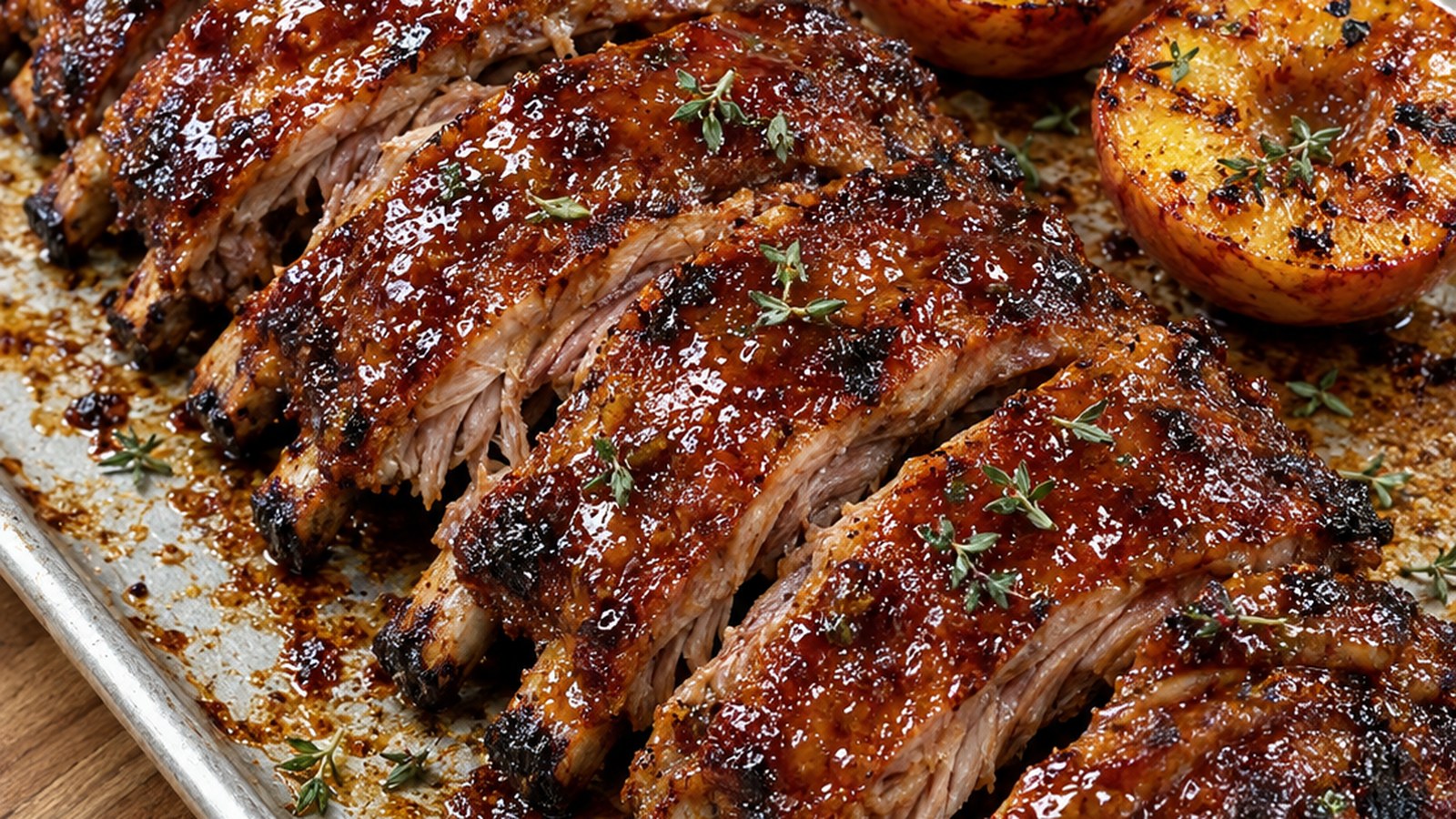
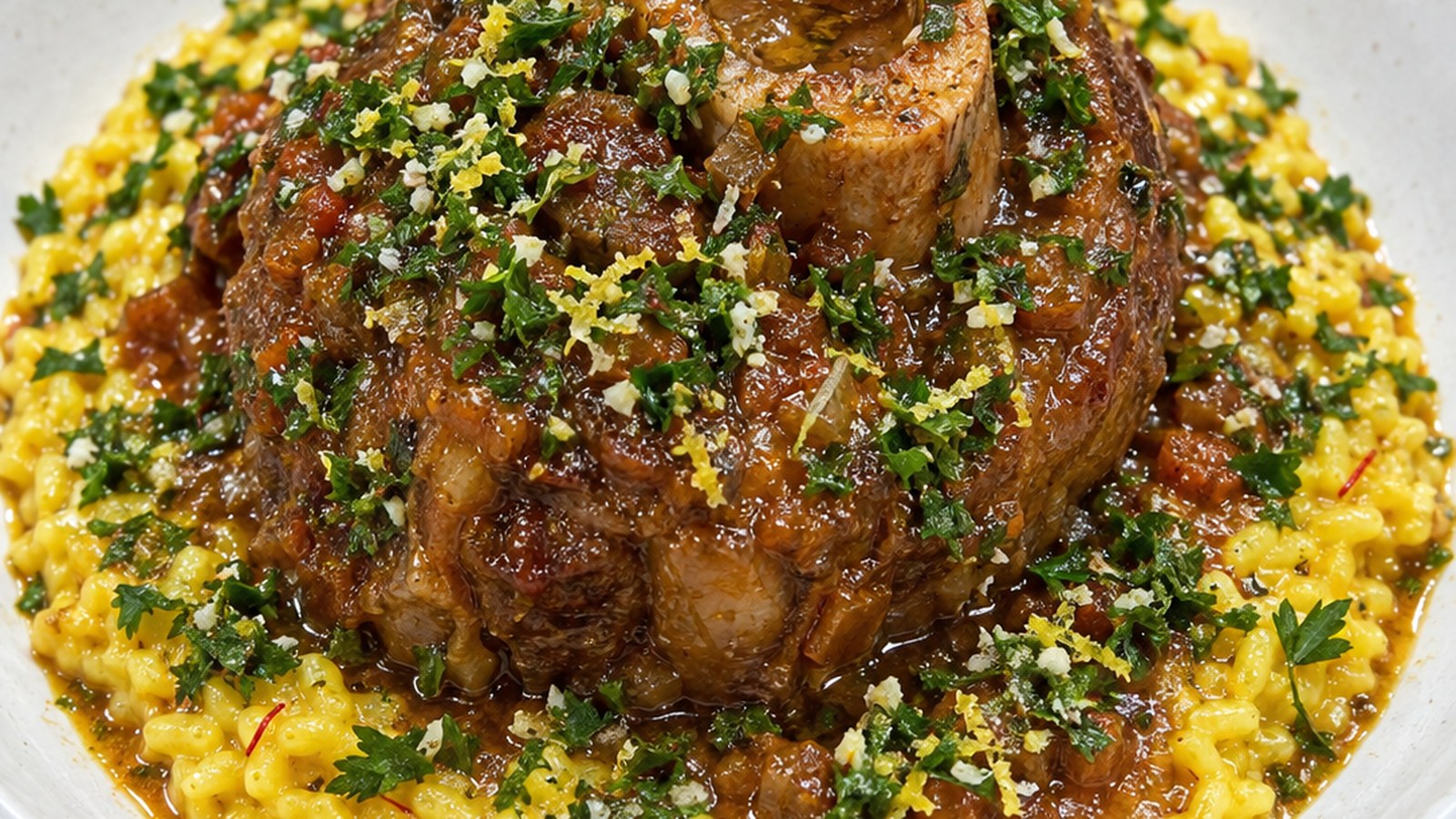
Slow-Braised Short Ribs

3.5 hrs · Medium · Sunday

Italian · Vol. II

Handmade Lasagna Bolognese

3 hrs · Advanced · Sunday


"Your body is not a temple, it's an amusement park. Enjoy the ride."
— Anthony Bourdain

Peek Inside

Every recipe is broken into protein, starch, vegetable, and sauce — so you can mix, match, and make it your own.

How to Use This Book

Learn the component method — how to cook each part, combine them, and riff with confidence once you know the technique.

Sample Recipe Page

See the clean, two-column layout — ingredients on the left, step-by-step instructions on the right, plus the song that sets the mood for the dish.

The Pantry & Tools

Know exactly what to stock, what to buy, and which tools actually matter — without turning your kitchen into a restaurant line.

Want to flip through before you commit? Amazon lets you sample the intro, a full recipe spread, and the pantry chapter.

Read a Sample on Amazon → Free Pantry Guide →

The Books

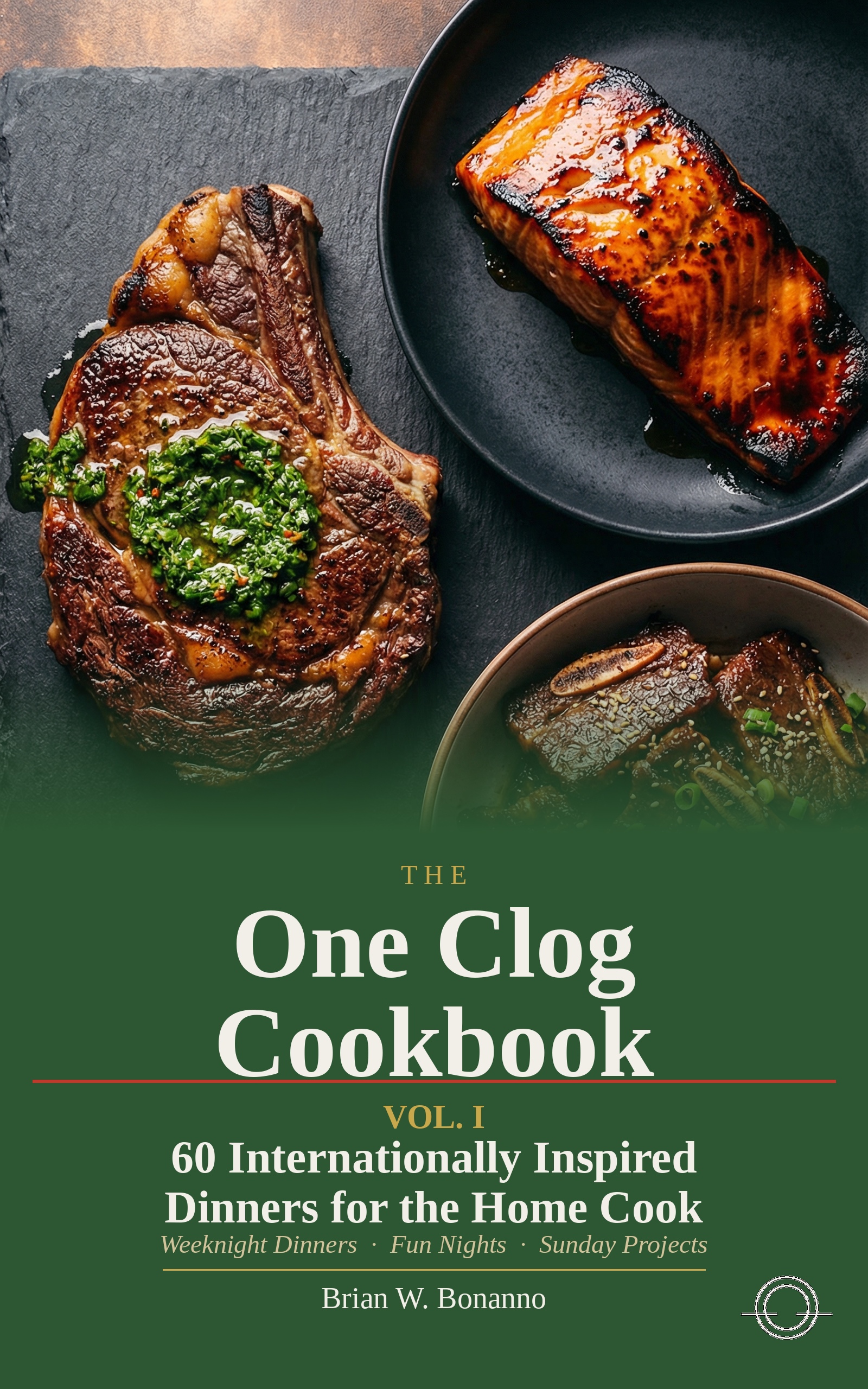
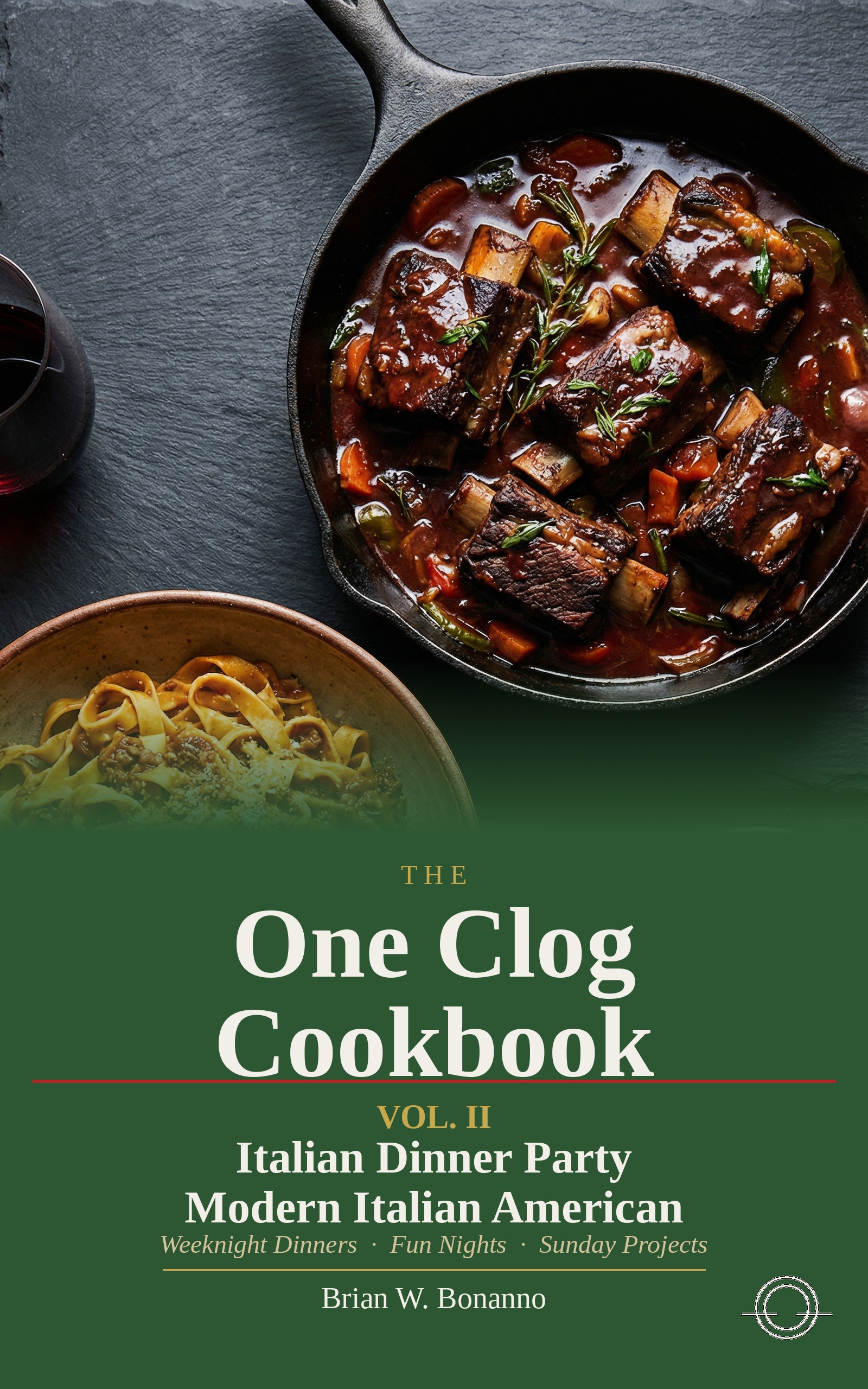
Both books share the same structure and planner — Volume I ranges globally across cuisines, Volume II focuses on modern Italian-American recipes.


“Technically rigorous, emotionally resonant, and genuinely differentiated in a crowded market. The three-chapter framework is immediately intuitive and creates compound value across volumes. The voice is confident, generous, and teachable without condescension. The cooking is excellent. The teaching is clear. The system works.”

— Editorial Assessment, March 2026


Plan a Week of Dinners

Drop recipes from Volume I and Volume II into weeknight, fun night, and Sunday slots. Mix and match, build your week in minutes, and save your favorite lineups for later.

Open the Menu Planner →

Free · Works on any device · No signup required


From the Back Burner

Tips, techniques, and recipes from The One Clog Cookbook series — plus the thinking behind the menu planner.

Start here if you want to cook faster, plan better, and get more out of every recipe in the books.


Technique

Mise en Place — Set Yourself Up Before You Start

The most important thing you do in the kitchen happens before you touch the stove.

Mise en place. It's French, and yes, it means "everything in its place." But if you walk away thinking it's just a phrase chefs say to sound sophisticated, you've missed the point entirely. Mise en place is a mindset. It's the difference between cooking and scrambling. After years in professional kitchens, I can tell you with certainty: the cooks who struggle at the stove are almost always the ones who skipped the setup.

Start Before You Start

The first things that go on in any kitchen — professional or home — are the oven and the water. Every time, without exception. Even if you're not sure you'll need them yet. Ovens take time to preheat properly, and a pot of water takes longer than you think to come to a boil. Don't let heat be the thing that stalls you mid-dish. Get them going first, then build your prep around them.

Pull Everything Before You Touch the Stove

Before a single burner fires, everything you need should be on the counter. Every ingredient. Every tool. Every bowl, vessel, and spoon. If you're reaching into a cabinet for a colander while something is browning in a pan, you've already lost control of the dish. Pull it all. Even the things you think you won't need. The act of laying it out forces you to think through the entire cook before it starts.

Read the Whole Recipe First

This is the most skipped step in home cooking, and it costs people more grief than almost anything else. Read the recipe all the way through before you do anything. Not while you're cooking — before. You need to know where the dish is going before you can navigate it. Surprises mid-recipe aren't fun. They're just chaos.

Aromatics First

Once you're prepped and ready, start with your aromatics — your onions, garlic, celery, carrots, herbs. These take the longest to break down properly, and they build the flavor foundation that everything else sits on. Rush them, and you're already behind on flavor. Give them the time and attention they deserve at the start, and the rest of the dish falls into place.

The Payoff

When setup is done right, something shifts. The cooking becomes calmer. You stop reacting and start cooking. Your instincts kick in because you're not panicked — you're present. That's when it gets enjoyable. That's when you actually taste as you go, adjust as you go, and make the dish your own.

Recipes are a framework. Set yourself up, then feel and taste your way through it.

Cook with intention. Feel and taste your way through it. Keep one clog in the kitchen. Always.

Technique

The Tasting Spoon — The Most Important Tool in Your Kitchen

Most home cooks taste twice. Professional kitchens never stop tasting.

Most home cooks taste their food twice: once when something smells off, and once right before they plate. That's it. Two tastes, maybe three if they're feeling ambitious. In a professional kitchen, you taste constantly — every addition, every reduction, every time the heat changes something. Not because chefs are paranoid. Because a dish evolves, and if you're not tracking it, you're guessing at the finish line.

The tasting spoon isn't a garnish tool. It's a diagnostic instrument.


Here's what most people miss: flavor builds in stages, and each stage is a different conversation. Early in a braise, you're tasting for depth — is the fond doing its job, is the liquid seasoned enough to carry the meat? Midway through, you're checking balance. At the end, you're finishing. If you only taste at the end, you've lost two-thirds of the chances to get it right. You're not correcting anymore. You're compensating.

Taste throughout. Early, middle, and late. Your dish will tell you what it needs if you're listening.


Two things cover ninety percent of what's wrong with underseasoned food: salt and acid. Learn when to use each, and you'll fix almost any flat dish.

Salt goes in early and often — it doesn't just season, it draws out moisture, builds structure, and amplifies everything else in the pot. Acid comes in late. A squeeze of lemon, a splash of vinegar, a little white wine at the end — acid lifts. It separates flavors that have collapsed into each other, brightens what's gone dull, and cuts through fat. If something tastes rich but muddy, reach for acid. If it tastes thin and hollow, reach for salt.

Most people only know one move. Know both.


Recipes give you a framework. They tell you what goes in and roughly when. What they can't tell you is how your stove runs hot, how old your spices are, or whether your tomatoes are sweet or sharp this week. That's where your palate takes over. Trusting it isn't arrogance — it's practice. You build that trust one taste at a time, one honest adjustment at a time.

The habit is simple: taste before you plate. Taste after you season. Taste again. Do it every time until it's automatic.


This series is built on one idea: a recipe is a map, not a mandate. The measurements get you close. Your senses get you there. The tasting spoon is what connects the two. Use it constantly. Wash it between tastes. Keep it within arm's reach from the moment the pan goes on the heat.

That's the whole secret. Most people just never pick up the spoon.

Cook with intention. Feel and taste your way through it. Keep one clog in the kitchen. Always.

Planning

How to Plan Your Week — The System Behind the Planner

Most people don't fail at cooking. They fail at planning.

Most people don't fail at cooking. They fail at planning. You get home at 6:30, you're tired, and suddenly you're standing in front of the refrigerator hoping something will volunteer itself. That's not a cooking problem. That's decision fatigue — and it kills dinner before the pan ever hits the stove.

After years working in professional kitchens, the one thing I carried into writing cookbooks for home cooks wasn't a technique or a recipe. It was structure. A kitchen runs on a plan. Yours should too.

Here's how I think about the week.

Monday through Thursday are for weeknight dinners — fast, reliable, repeatable. These are the meals that need to earn their place in the rotation. Nothing precious, nothing that demands an hour of active cooking. The 60 recipes in The One Clog Cookbook — Vol. I were built with exactly this in mind: internationally inspired dinners that can anchor a Tuesday without drama.

Friday and Saturday are Fun Nights. Something worth lingering over. A bottle of wine, a dish that invites conversation. Vol. II — Italian Dinner Party lives here. These are the meals you actually look forward to when you're grinding through Wednesday.

Sunday is the Project. When you have the time and the appetite to really cook — to braise something low and slow, to make fresh pasta, to fill the apartment with the smell of something that takes patience. Sunday cooking is a different mindset. It's not feeding yourself. It's practicing the craft.

The planner works with that structure in mind.

Head to planner.oneclogcookbook.com. Generate a week. Lock the recipes you want to keep. Swap the ones that don't fit the week you're walking into. It takes two minutes — and you walk away knowing exactly what you're cooking and what you need to buy. That's it. That's the system.

One thing I've always believed: music matters at the table. Every volume in The One Clog Cookbook comes with a curated dinner playlist, because the right soundtrack changes how a meal feels from the first pour to the last bite. The planner connects to that too. Set the tone before you even start cooking.

The payoff is simple. You stop asking "what's for dinner?" — that anxious, dreaded question — and you start looking forward to it. That shift is worth more than any single recipe in either book.

Plan the week. Cook with purpose. Let dinner be the best part of the day.

Cook with intention. Feel and taste your way through it. Keep one clog in the kitchen. Always.
— Brian W. Bonanno

Experience

Why Music Belongs in the Kitchen — And at the Table

Great restaurants know music isn't background noise. It's part of the meal.

The best restaurants I've ever worked in — and eaten in — understood something that most home cooks never think about: music isn't background noise. It's part of the meal. The volume, the tempo, the mood of what's playing — it all shapes the experience before a single bite is taken. Hospitality professionals think about this deliberately. Most home kitchens treat it as an afterthought, if it comes up at all.

It shouldn't be an afterthought.

At the stove, music changes your energy in ways that are hard to explain but easy to feel. Put on something with the right pace and you move differently — more fluid, less rushed. You're less likely to crowd the pan, less likely to skip a step. There's something about rhythm that keeps you present. Cooking stops feeling like a chore on the list and starts feeling like something you chose to do. That shift matters. Food made with that kind of energy just tastes better. I've believed that for a long time.

At the table, the job of music is quieter but just as important. It fills the space without demanding anything from it. Conversation can breathe around it. Silence doesn't turn awkward. For a dinner party, it tells your guests that the evening was considered — that you thought about more than just what was on the plate. For a solo meal, it tells yourself the same thing. This moment is worth setting up properly. That's hospitality, whether you're cooking for twelve or just for you.

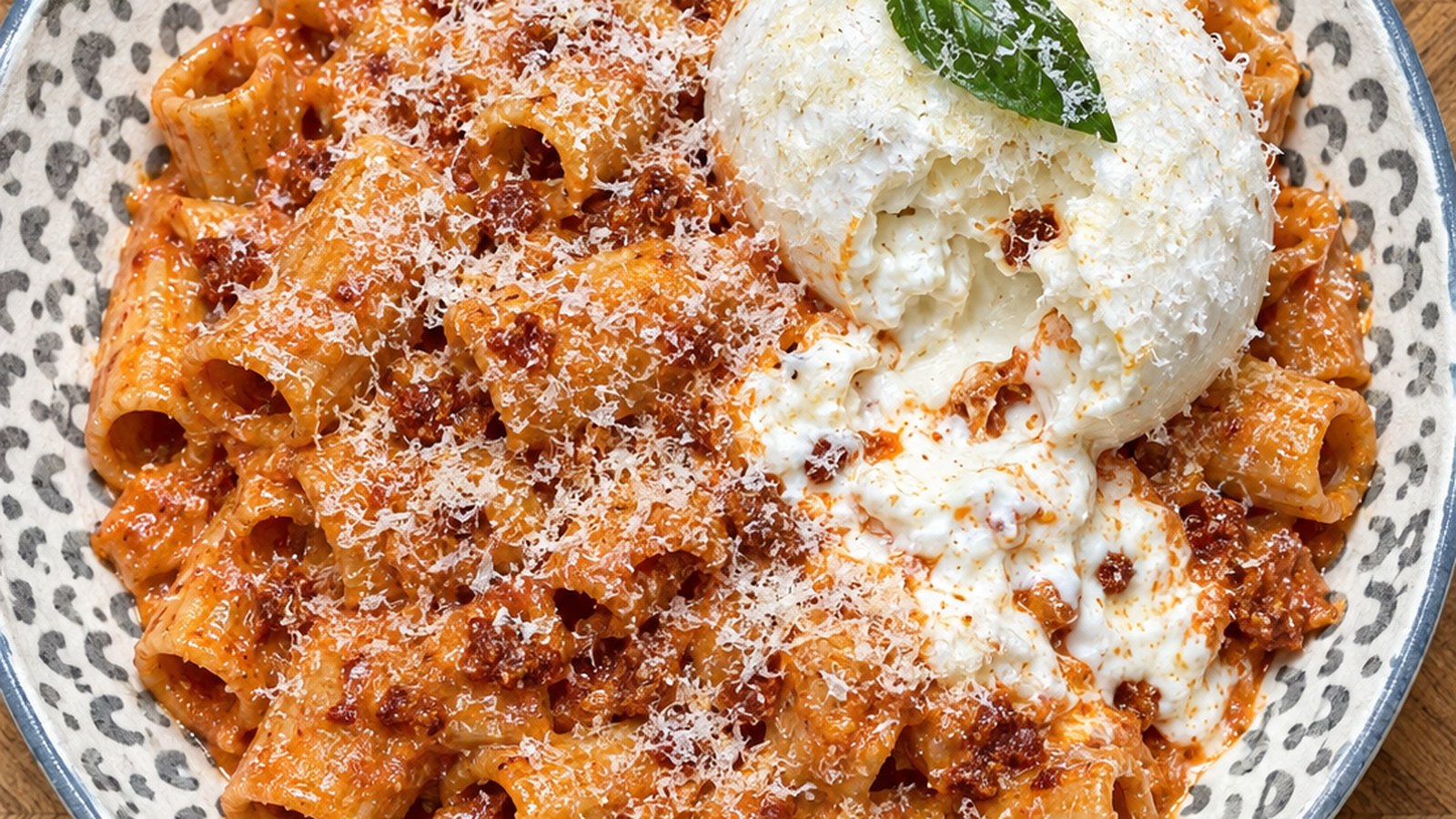
That's why every volume of The One Clog Cookbook comes with a curated playlist. Not as a gimmick — as an extension of the food itself. Vol. I draws from ingredients and techniques that cross borders and continents, so the playlist does the same: global in spirit, eclectic, energetic. Vol. II is built around an Italian dinner party — it wants warmth, a little romance, the feeling of a long evening with good wine and people you like. The playlist earns that feeling before the antipasto even hits the table.

The food and the music are built together. They're meant to be used together.

So here's the invitation: cook to something. Eat to something. Don't leave the whole experience to chance when a little intention goes such a long way. Find the playlist that fits your evening and let it run. You'll feel the difference.

Both playlists — and those for future volumes — are available on Spotify and Amazon Music at oneclogcookbook.com.

Cook with intention. Feel and taste your way through it. Keep one clog in the kitchen. Always.
— Brian W. Bonanno

Recipe

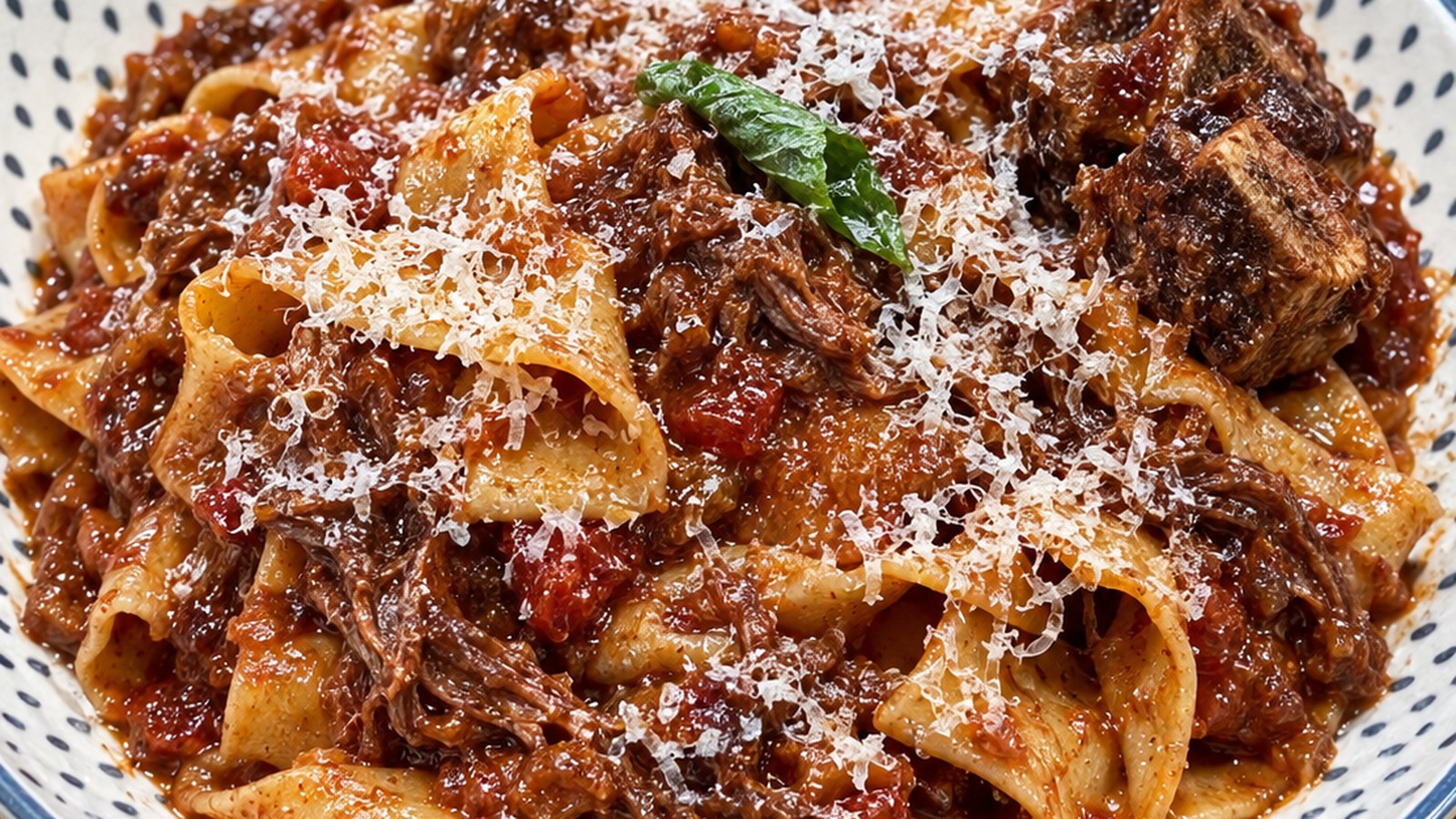
From the Book — One-Pan Chicken Shawarma

Big, bold flavors. One pan. Forty minutes. The kind of Tuesday dinner you'll actually look forward to.

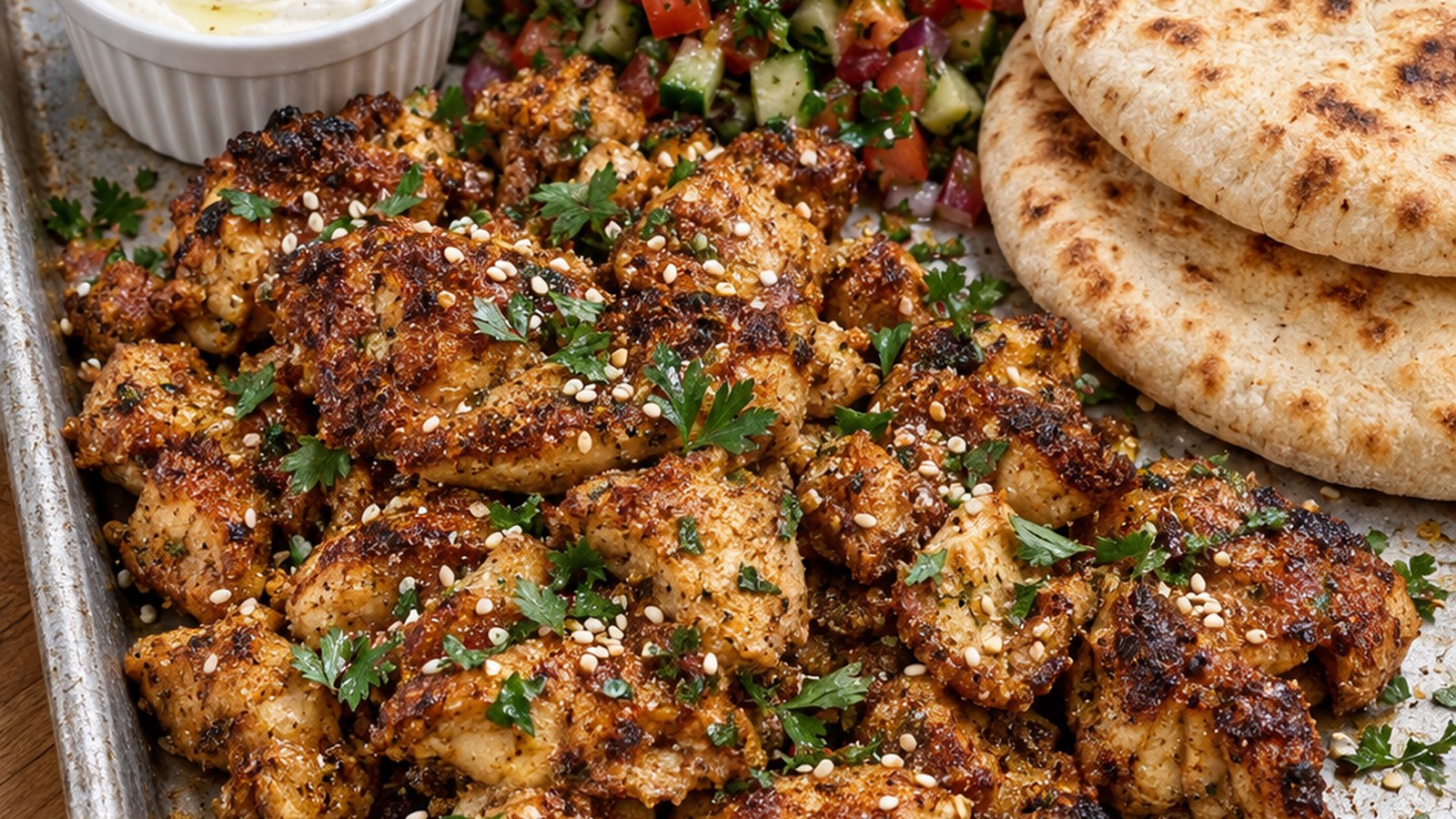
Shawarma spice on chicken thighs, one pan, high heat. This is the weeknight dinner that tastes like you spent hours in the kitchen. The garlic toum is aggressive in the best possible way.

One-Pan Chicken Shawarma

Prep 15m Cook 25m Total 40m Serves 4 Difficulty Easy

Chapter: Weeknight Dinners  ·  Cuisine: Middle Eastern · Poultry

Ingredients

  • 2 lbs boneless chicken thighs
  • 2 tsp cumin
  • 2 tsp coriander
  • 1 tsp turmeric
  • 1 tsp paprika
  • ½ tsp cinnamon
  • ¼ tsp cayenne
  • Pita bread
  • Pickled turnips (store-bought)
  • Tomatoes, cucumber, red onion, fresh parsley
  • 1 head garlic, ½ cup neutral oil, lemon juice (for toum)
  • Kosher salt and black pepper

Protein

Coat chicken thighs with all spices, olive oil, lemon juice, salt. For best results, marinate 1 hour. Cook on sheet pan at 425°F for 25 min until charred and cooked through. Slice thin.

Starch

Warm pita bread in oven or on dry skillet. Serve with store-bought pickled turnips for authentic flavor.

Vegetable

Israeli salad: finely dice tomatoes, cucumber, and red onion. Dress with olive oil, lemon juice, salt, and chopped parsley. Serve with hummus.

Sauce — Toum

Blend garlic cloves with salt. Slowly stream in neutral oil while blending (like making mayo). Add lemon juice. Blend until white, fluffy, and intensely garlicky.

Chef's Note: Before that spice blend touches the chicken, taste it. That's the tasting spoon philosophy in action — adjust the cayenne, add more lemon, go heavier on the cumin. Make it yours before it ever hits the heat.

Find 59 more recipes like this in The One Clog Cookbook Vol. I — available on Amazon and Gumroad.

Cook with intention. Feel and taste your way through it. Keep one clog in the kitchen. Always.
— Brian W. Bonanno

Recipe

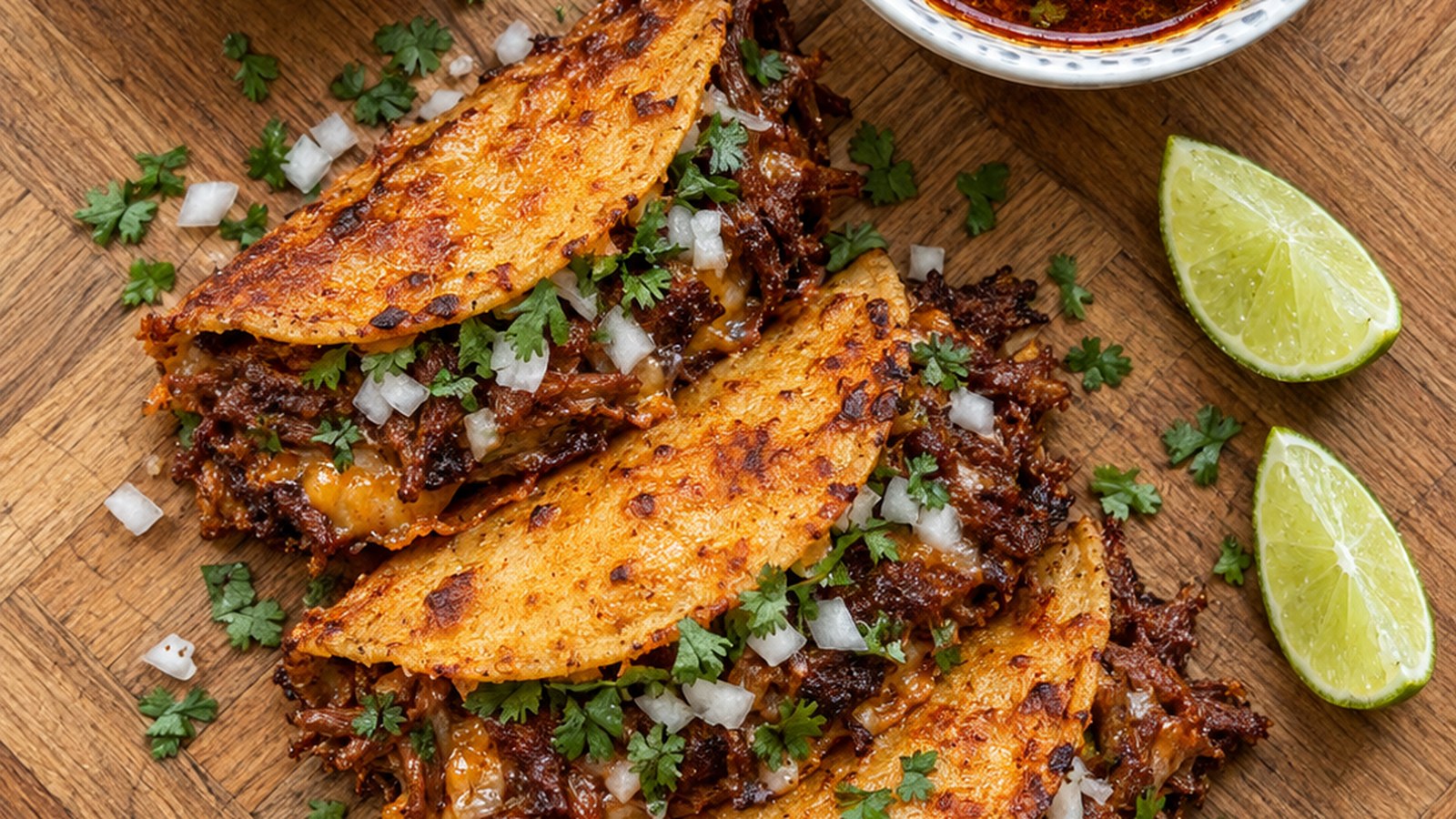
From the Book — Mezze Rigatoni with Spicy Pork Ragù

A weeknight ragù that tastes like it's been going all day. Bold, fast, and built to impress.

This is the weeknight ragù — not the Sunday-sauce three-hour kind, but the fast, honest version built from ground pork and big flavors. Fennel seed and Calabrian chili do the heavy lifting. The fennel opens the pork up; the Calabrian chili adds heat that's earthy rather than sharp.

San Marzanos, a glass of red wine, twenty minutes on a simmer — and you have something that tastes like it's been going all day. The shape matters too. Mezze rigatoni is short, ridged, hollow. It doesn't just carry the sauce — it holds it.

Mezze Rigatoni with Spicy Pork Ragù

Serves: 4  ·  Time: 45 minutes  ·  Difficulty: Easy

Chapter: Weeknight Dinners  ·  Cuisine: Italian-American

  • 1 lb mezze rigatoni
  • 1½ lbs ground pork
  • 1½ tsp fennel seeds — lightly toasted and coarsely crushed
  • 1 tbsp Calabrian chili paste — or to taste
  • 1 medium yellow onion — finely diced
  • 4 cloves garlic — finely minced
  • 2 tbsp tomato paste
  • ½ cup dry red wine
  • 1 can (28 oz) crushed San Marzano tomatoes
  • 2 tbsp extra-virgin olive oil
  • 2 oz Parmigiano-Reggiano — finely grated, plus more for serving
  • Kosher salt and black pepper — to taste
  • Fresh basil — torn, for serving
  1. Heat olive oil in a wide, heavy pot over medium-high. Add ground pork, season with salt and pepper, and cook without stirring for 3–4 minutes to develop a deep brown crust. Break up the meat and continue cooking until no pink remains and everything smells caramelized, about 8 minutes total.
  2. Add fennel seeds and Calabrian chili paste. Stir for 1 minute. Add onion and garlic, reduce heat to medium, and cook until softened, about 4 minutes.
  3. Add tomato paste and stir into the meat, cooking for 2 minutes until it darkens slightly. Add red wine, scraping up any browned bits. Simmer until wine reduces by half, about 3 minutes.
  4. Add San Marzanos, breaking them up with a spoon. Bring to a simmer and cook over medium-low for 20 minutes, stirring occasionally, until sauce thickens and the fat begins to pool at the surface — that's the flavor.
  5. Cook mezze rigatoni in generously salted boiling water until just al dente. Reserve ½ cup pasta water before draining. Add pasta to the ragù with a splash of pasta water. Toss over medium heat for 2 minutes.
  6. Off heat, stir in Parmigiano. Plate in warm bowls, finish with basil and more cheese at the table.

Suggested Accompaniments:

Acc 1: Braised escarole with garlic, white wine, and chili flakes → see Accompaniments chapter

Acc 2: Crusty bread for mopping → see Accompaniments chapter

Technique Note: The crust on the bottom of the pot is flavor — don't stir too early. Let the pork develop real color before breaking it up. That Maillard crust is what gives a fast weeknight ragù depth that tricks people into thinking it simmered all day.

Find 35 more recipes like this in The One Clog Cookbook: Italian Dinner Party — available on Amazon and Gumroad.

Cook with intention. Feel and taste your way through it. Keep one clog in the kitchen. Always.
— Brian W. Bonanno

Read All Chef's Notes →

No spam. Unsubscribe anytime. Or sign up on Kit’s page →

Listen While You Cook

Every recipe in both volumes is paired with a song — one playlist per book, built to move through the meal with you. Put it on before you start. Let it run through dinner.

The One Clog Cookbook

Vol. I · 60 Songs

Jazz, soul, bossa nova, flamenco, and world music — one track paired to each of the 60 internationally inspired recipes. From Peppino Gagliardi to Bill Evans to Buena Vista Social Club.

Italian Dinner Party

Vol. II · 36 Songs

An Italian-American soundtrack for the table — Lucio Dalla, Fabrizio De André, Adriano Celentano, and more. Each song chosen to match the mood and spirit of the dish it's paired with.


The Series Continues

Vol. III

Everyday Favorites

Real-Life Dinners Kids and Parents Love

Coming Soon

Vol. IV

Comfort

A Taste of Home from Around the World

Coming Soon


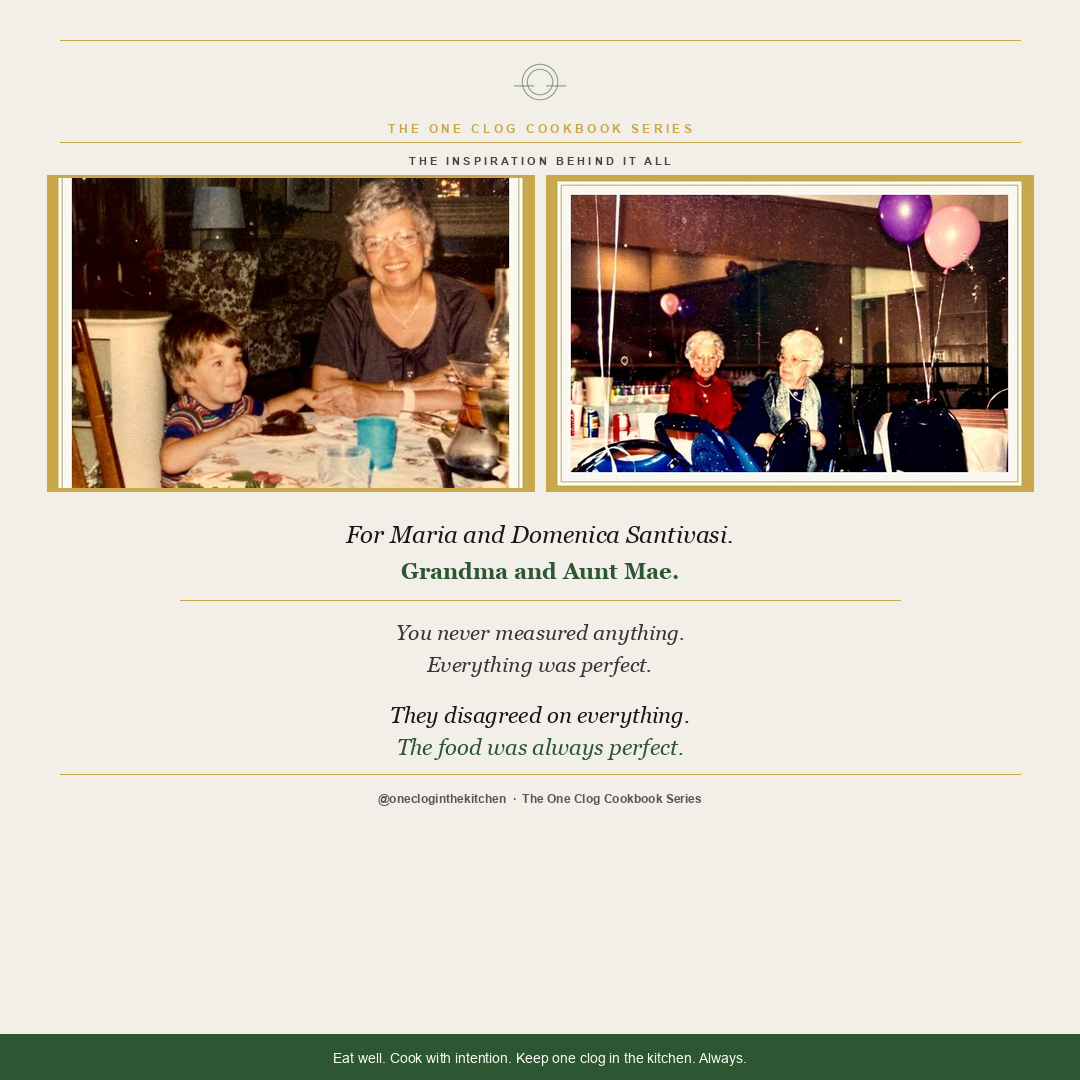
The inspiration behind The One Clog Cookbook — dedicated to Maria and Domenica Santivasi, Grandma and Aunt Mae

A Cookbook 20 Years in the Making

Brian W. Bonanno has spent over twenty years in professional kitchens, foodservice and hospitality. A chef that traded his whites for tailored suits but still keeps one clog in the kitchen. Always.
The One Clog Cookbook series is built on a simple belief: great home cooking comes from technique, not complexity. Each book teaches you to feel and taste your way through recipes — not follow them blindly.

"Cook with intention. Feel and taste your way through it."
Explore the full series on Amazon →
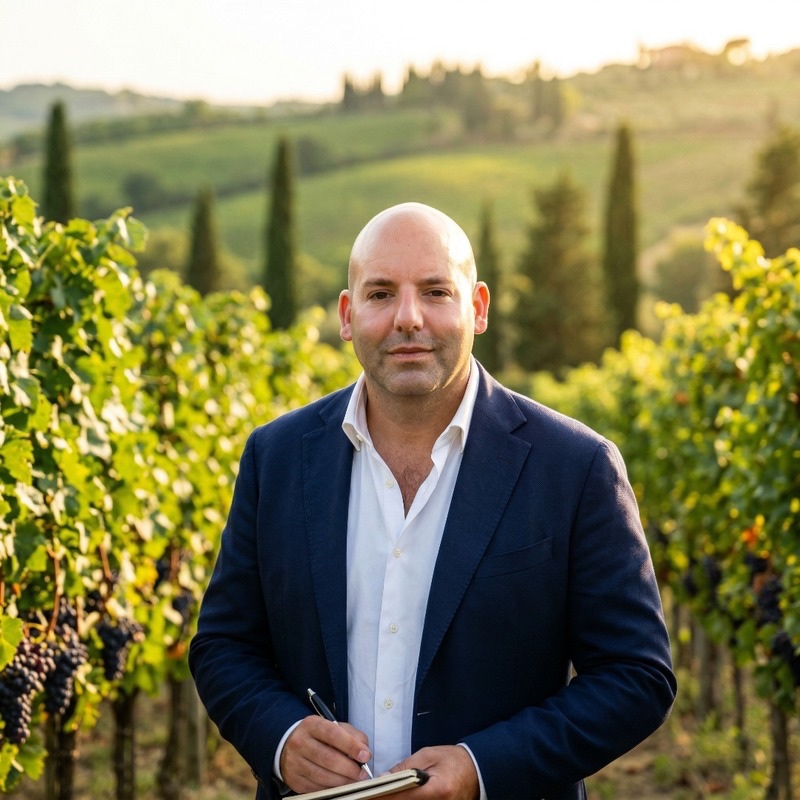
Brian W. Bonanno — chef, executive, and author of The One Clog Cookbook series

Eat well. Cook with intention. Feel and taste your way through it. Keep one clog in the kitchen. Always.